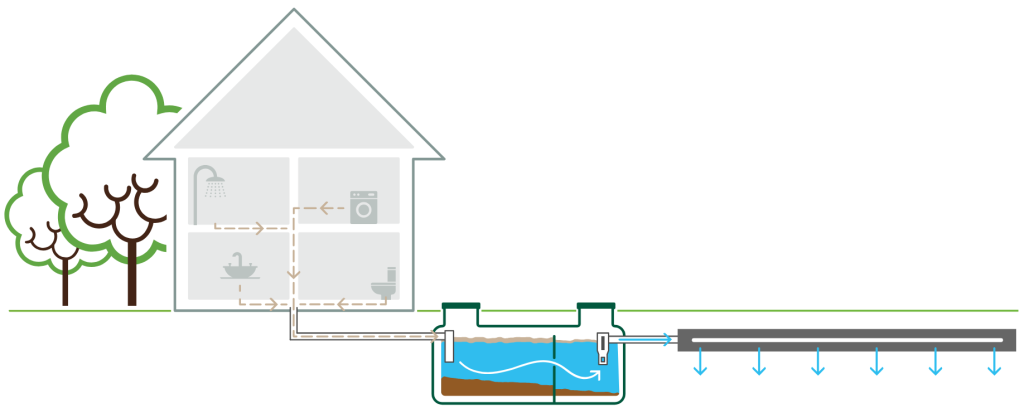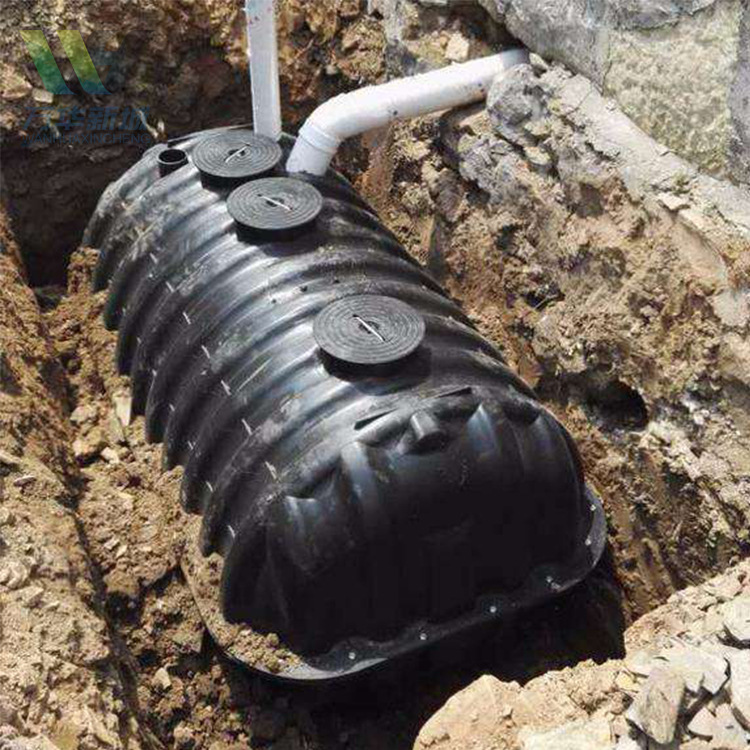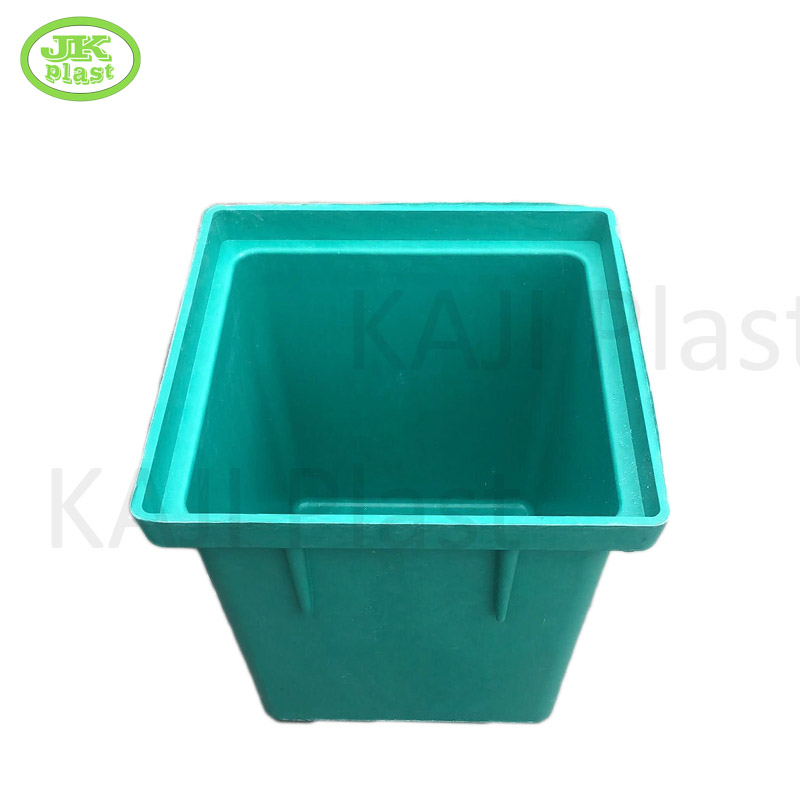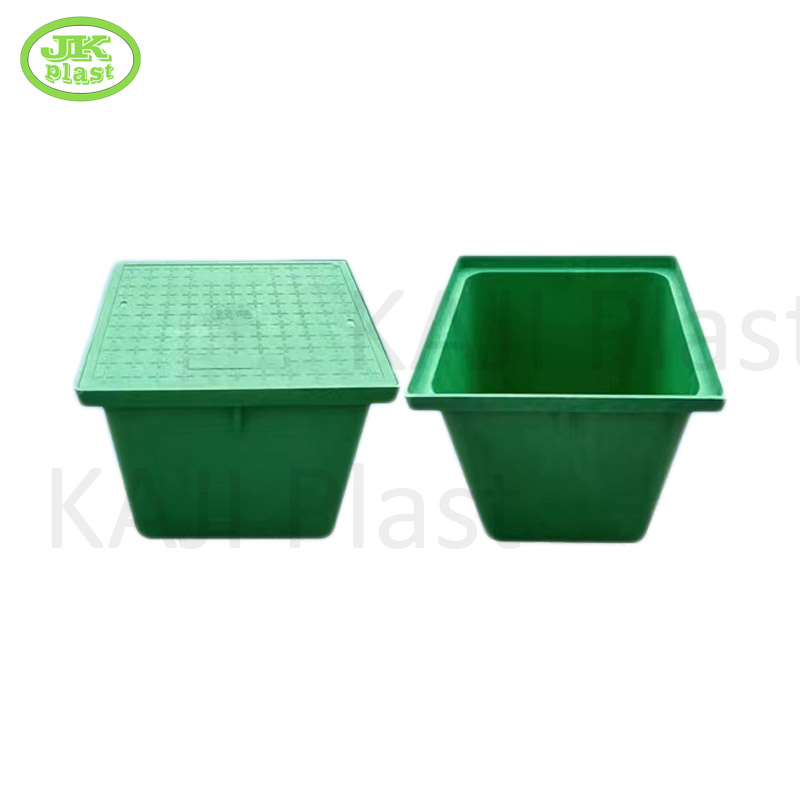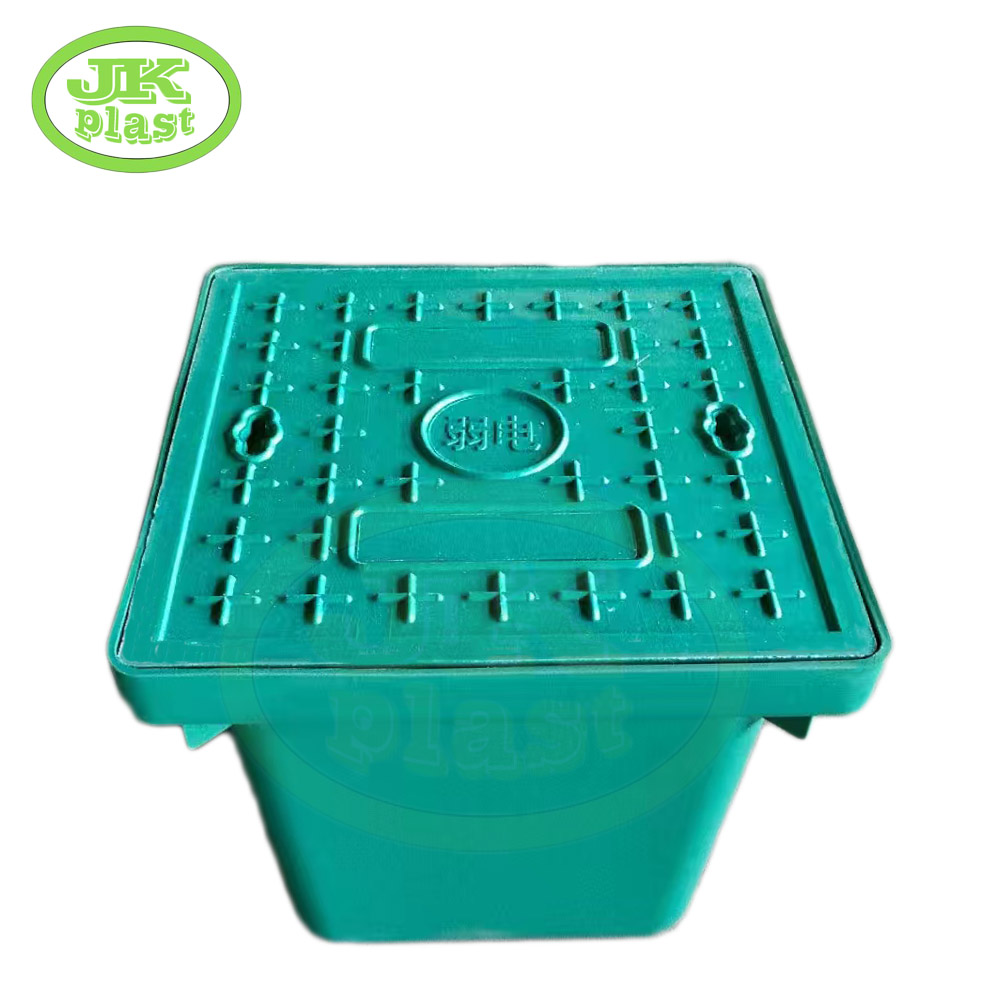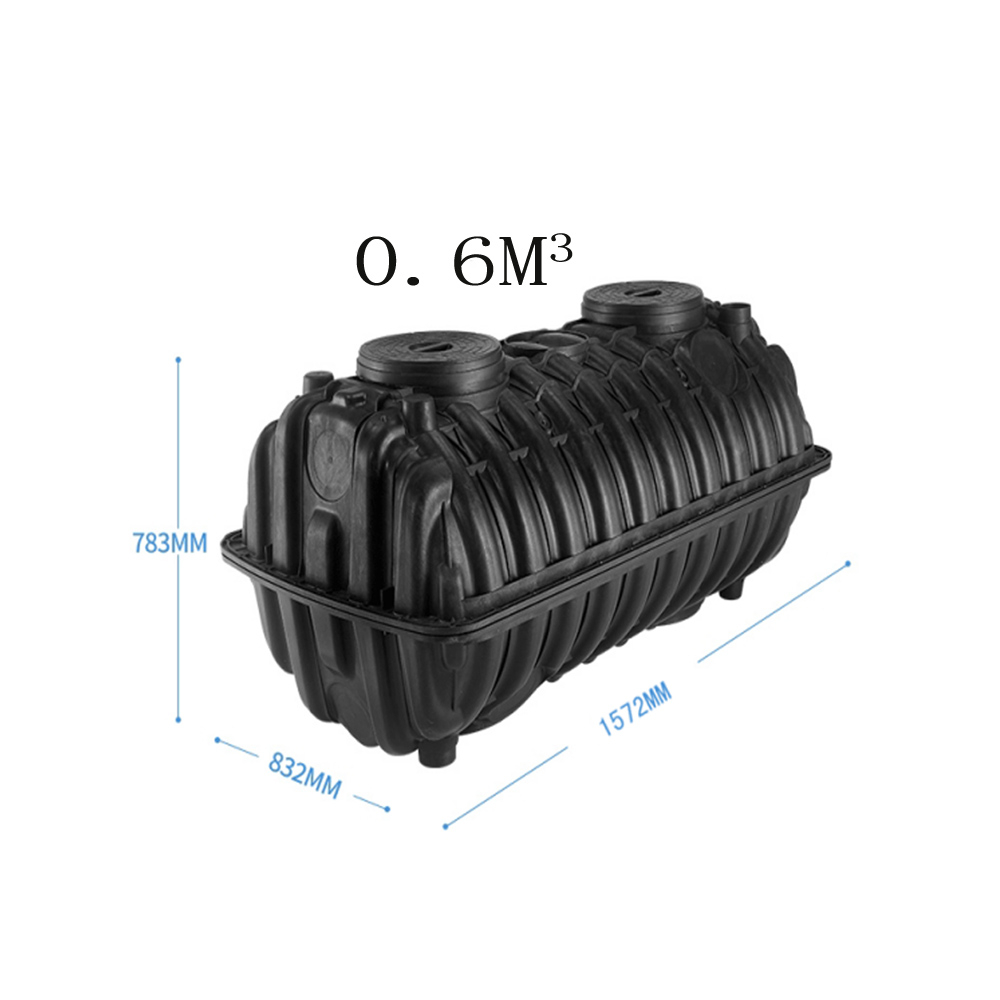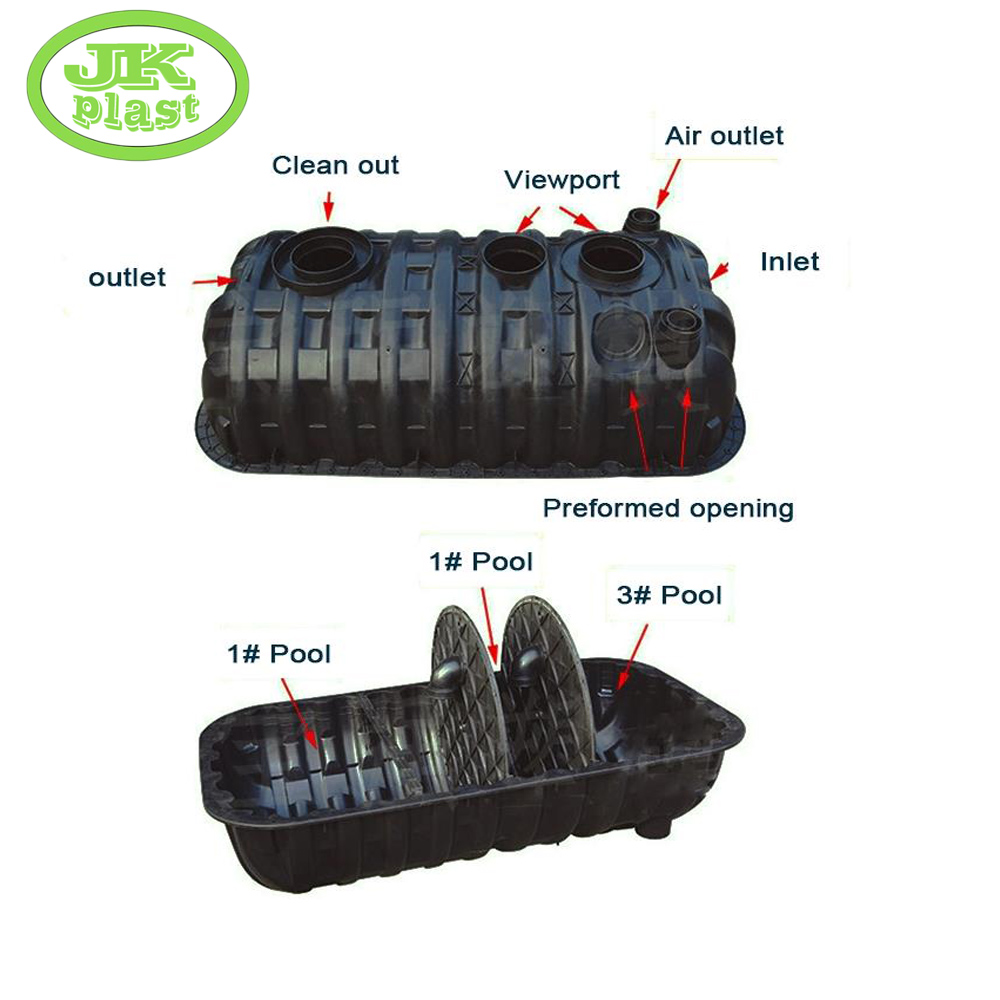
A septic system is an underground wastewater treatment structure, usually used in rural areas without centralized sewer systems. It consists of a septic tank and a drainfield (also called a percolation field or absorption field). Here’s how it works:
Components of a septic system
1. Septic tank:
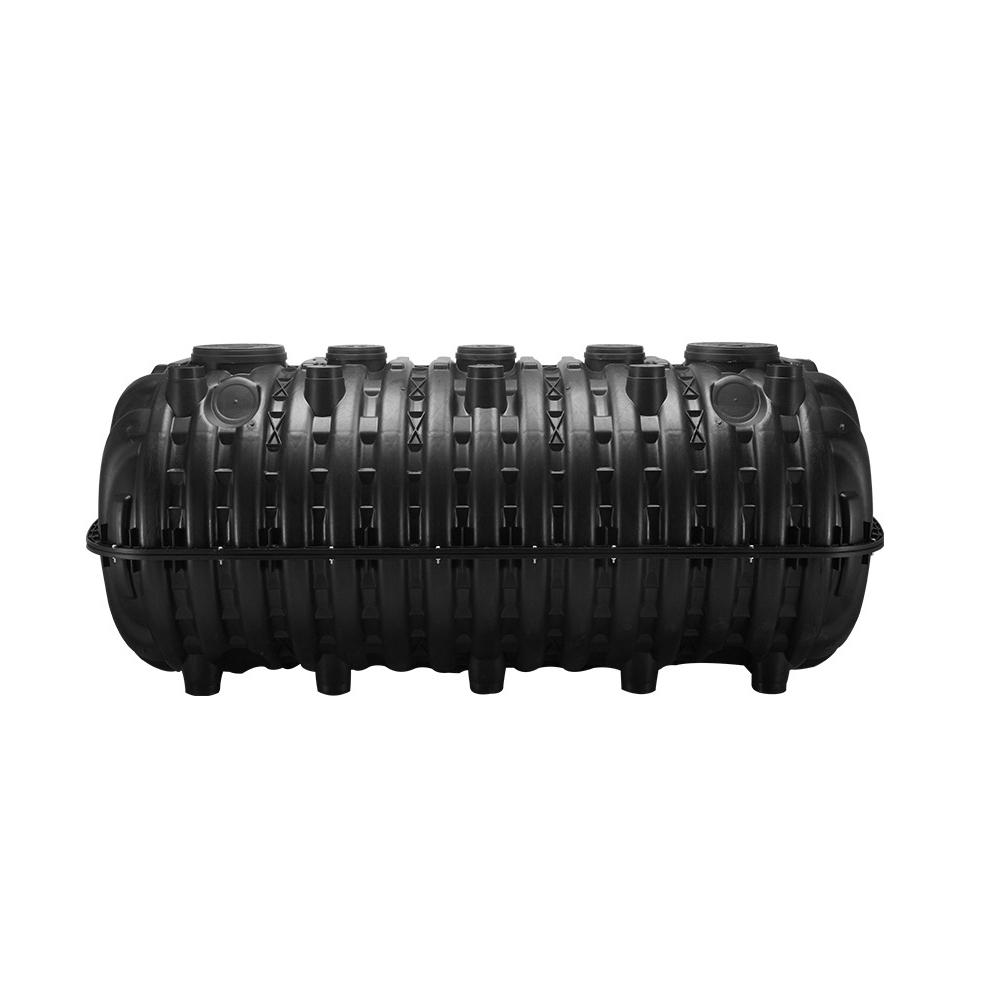
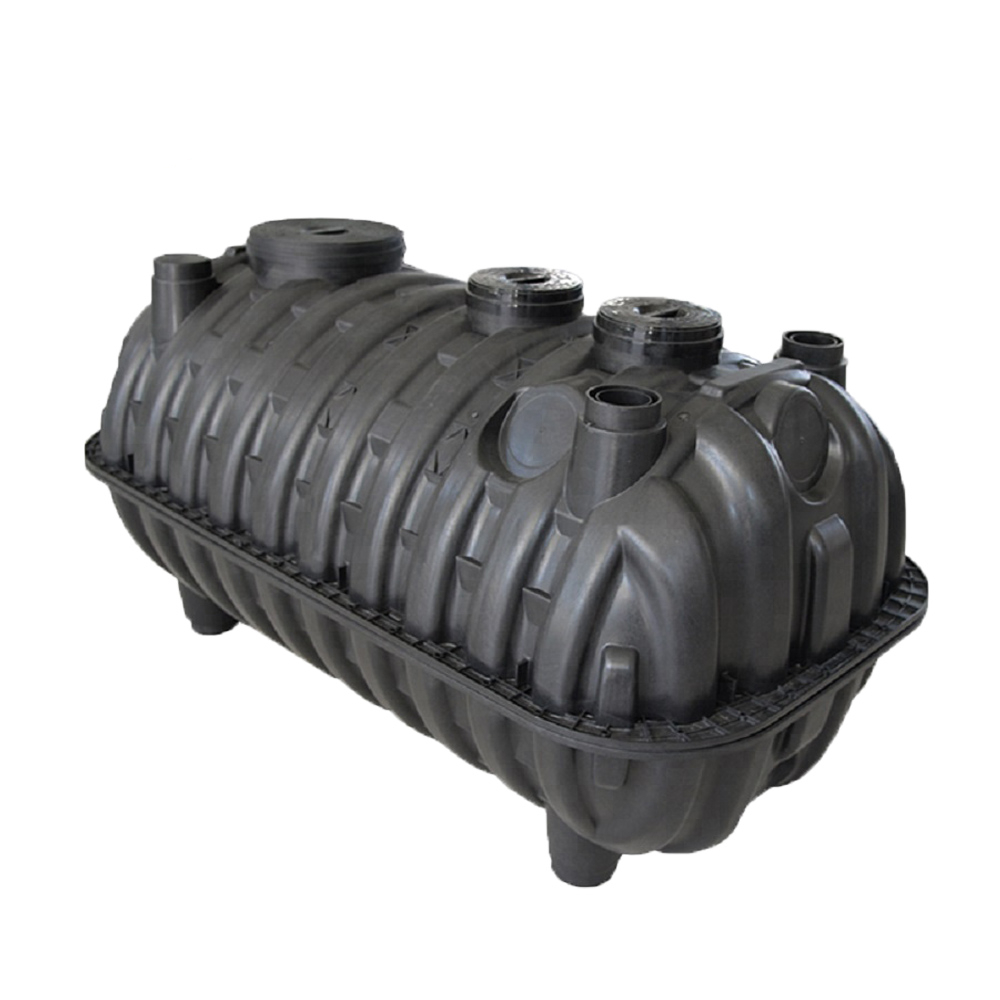
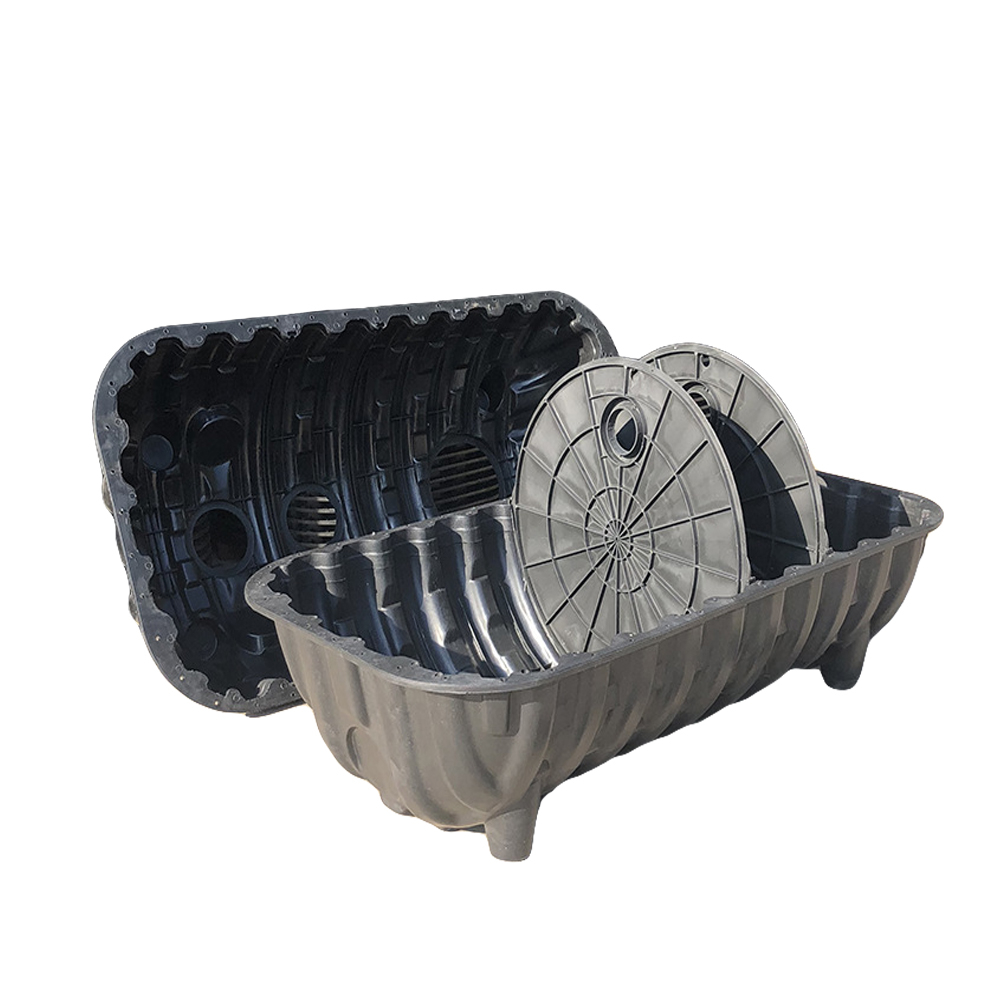
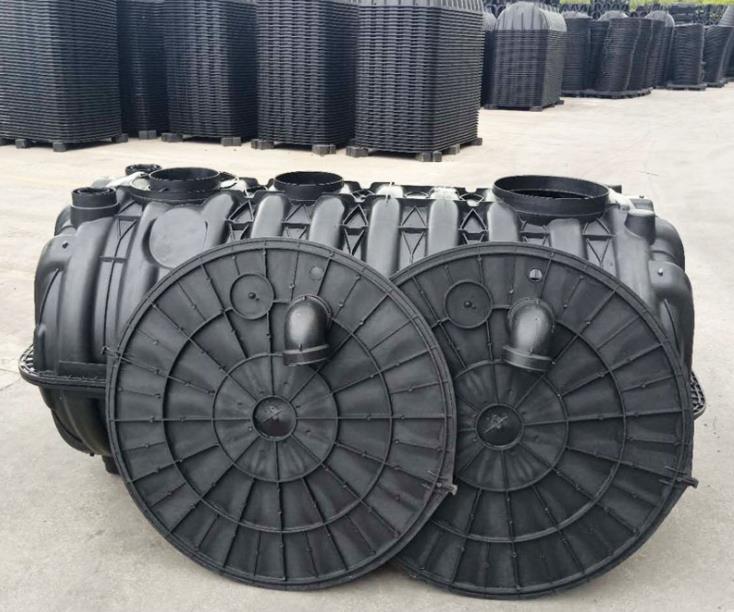
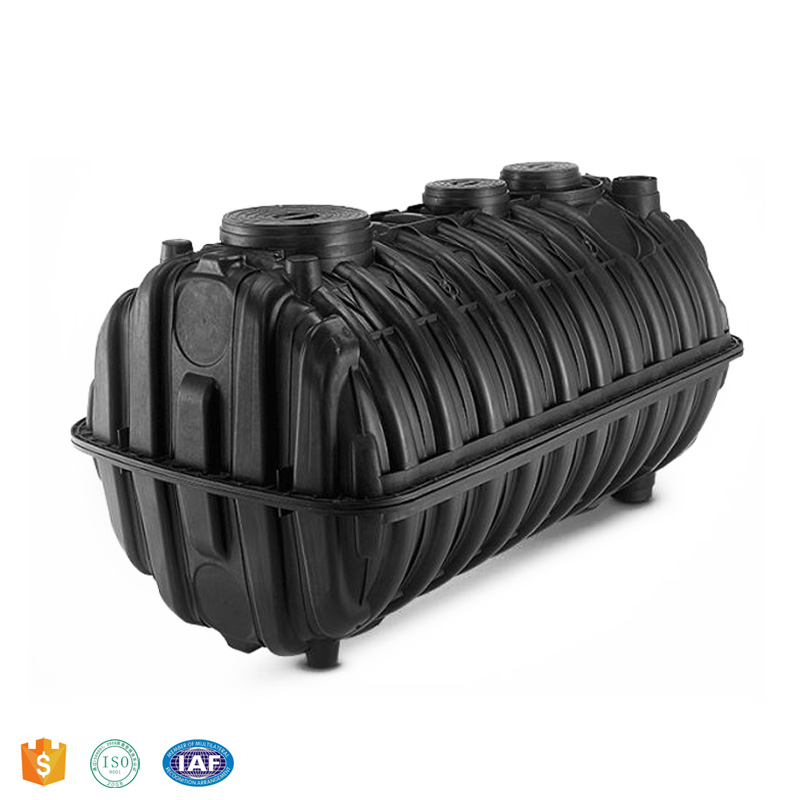
– Purpose: A septic tank is a waterproof container, usually made of concrete, fiberglass, or polyethylene. Its main function is to hold wastewater long enough for solids to settle to the bottom (forming sludge) and grease to float to the top (forming scum).
– Process: Household wastewater flows into a septic tank. Over time, solids settle and lighter materials float. This separation process is aided by bacteria in the tank, which partially break down the solid waste.
2. Drainfield:
– Purpose: A drainfield is a network of perforated pipes laid in a gravel-filled trench or bed. It further treats wastewater by letting it slowly seep into the ground.
– Process: Partially treated wastewater (effluent) flows from the septic tank into the drainfield. Here, wastewater is dispersed into the soil, which acts as a biofilter. The soil and its microorganisms further process the effluent, removing harmful bacteria, viruses, and nutrients.
Functions of a Septic Tank System
1. Wastewater Flow: When water is used in the home (e.g., from a sink, shower, toilet), it flows through a system of pipes into the septic tank.
2. Separation and Decomposition: Within the septic tank, solids settle to the bottom and scum rises to the top. The partially clarified wastewater from the intermediate layer leaves the tank and moves to the drainfield.
3. Effluent Treatment: In the drainfield, the effluent percolates through the soil, microorganisms break down organic matter and filter out contaminants, and the water eventually reaches the groundwater.
Maintenance of Septic Tank Systems
Regular maintenance is essential to ensure proper functioning and long life of a septic tank system. Major maintenance tasks include:
– Regular Pumping: Septic tanks should be pumped every 3-5 years to remove accumulated sludge and scum.
– Inspections: Regular inspections help detect and resolve potential problems before they become serious. – Water conservation: Reducing water usage can help prevent overloading the system.
– Proper waste disposal: Avoid flushing non-biodegradable items, chemicals, or grease down the drain, as they can clog the system or kill the beneficial bacteria in the tank.
Understanding how a septic system works and properly maintaining it can help prevent costly repairs and environmental pollution.