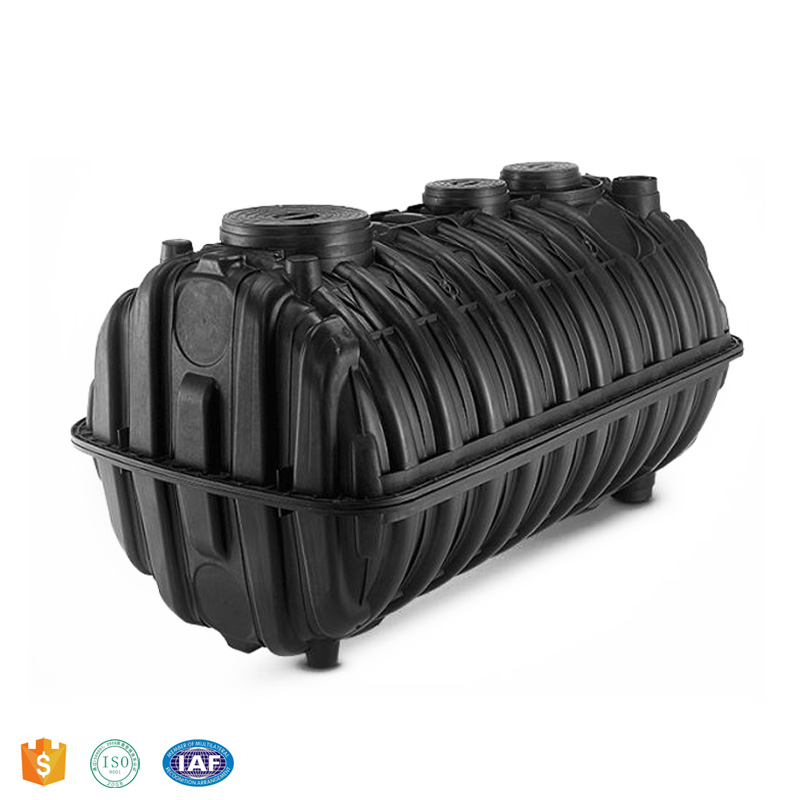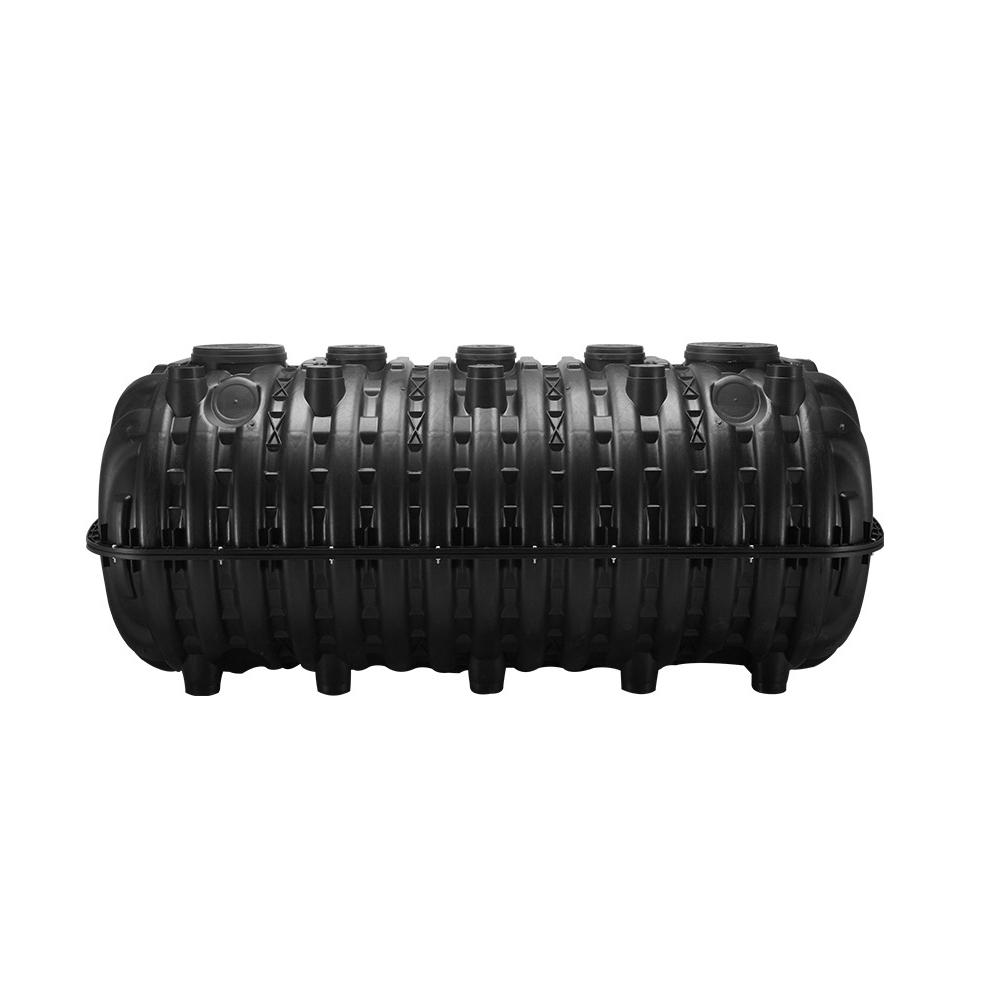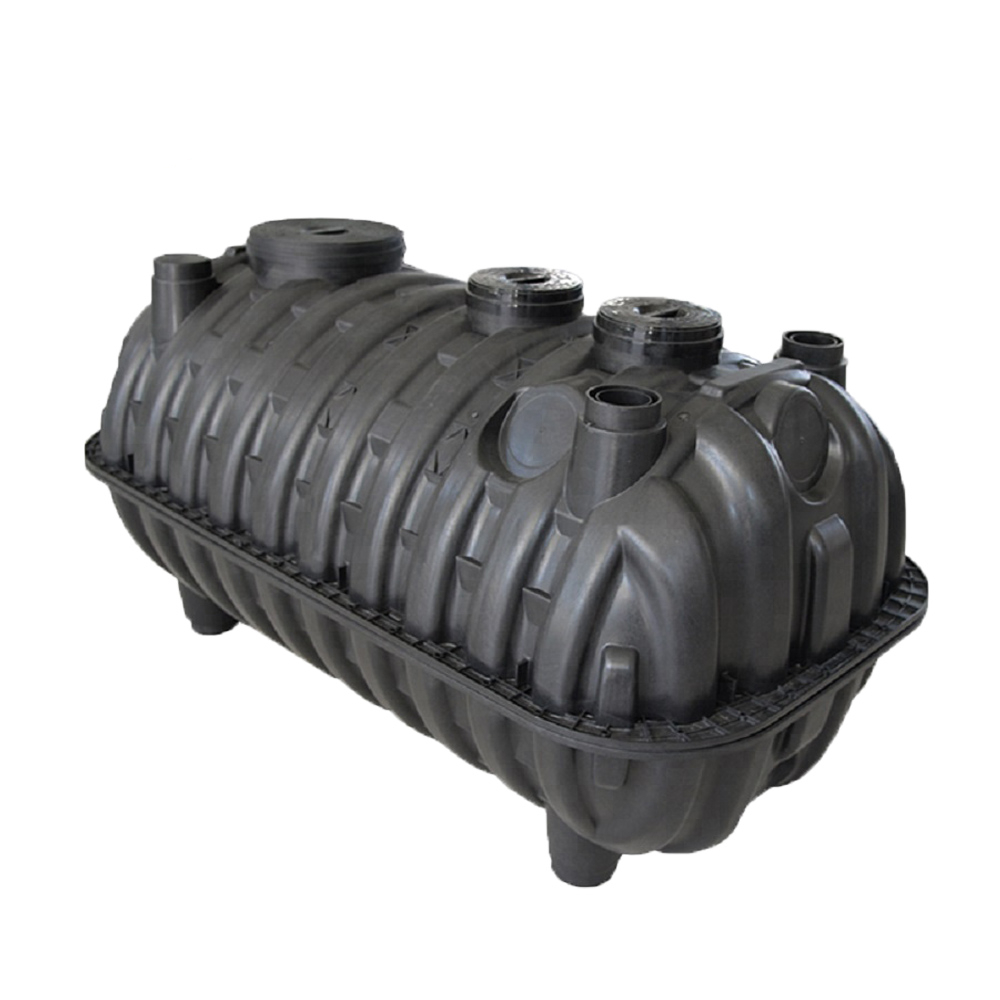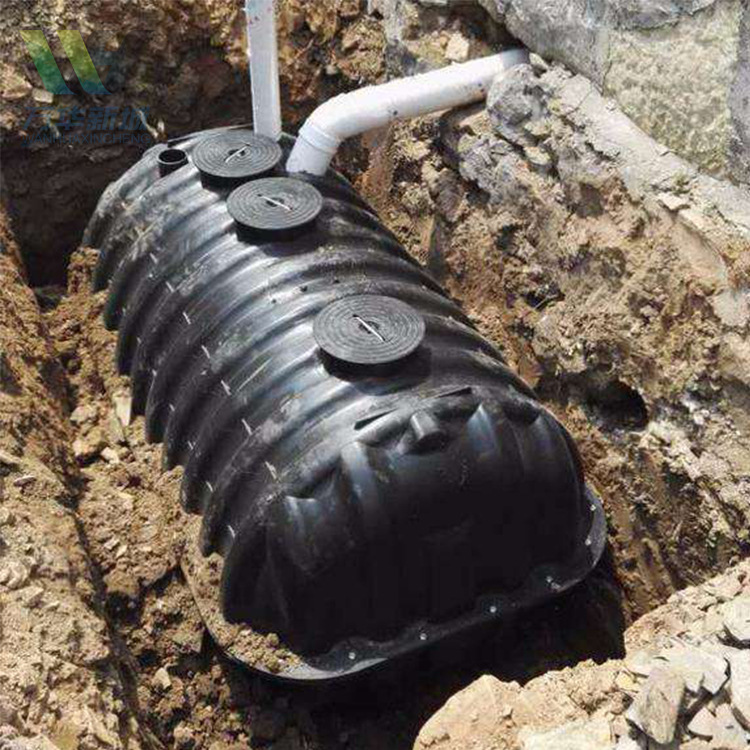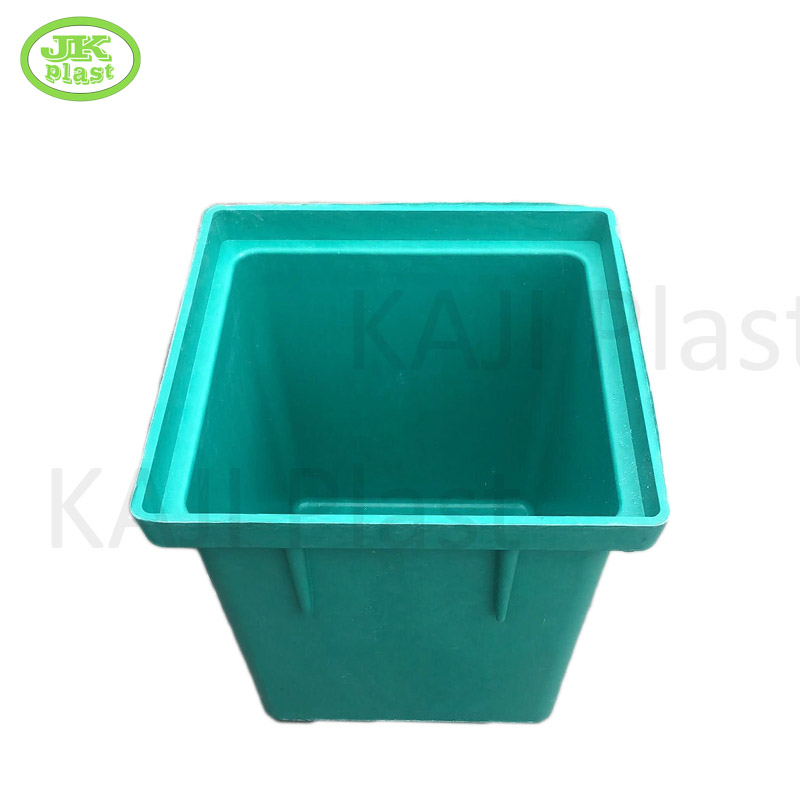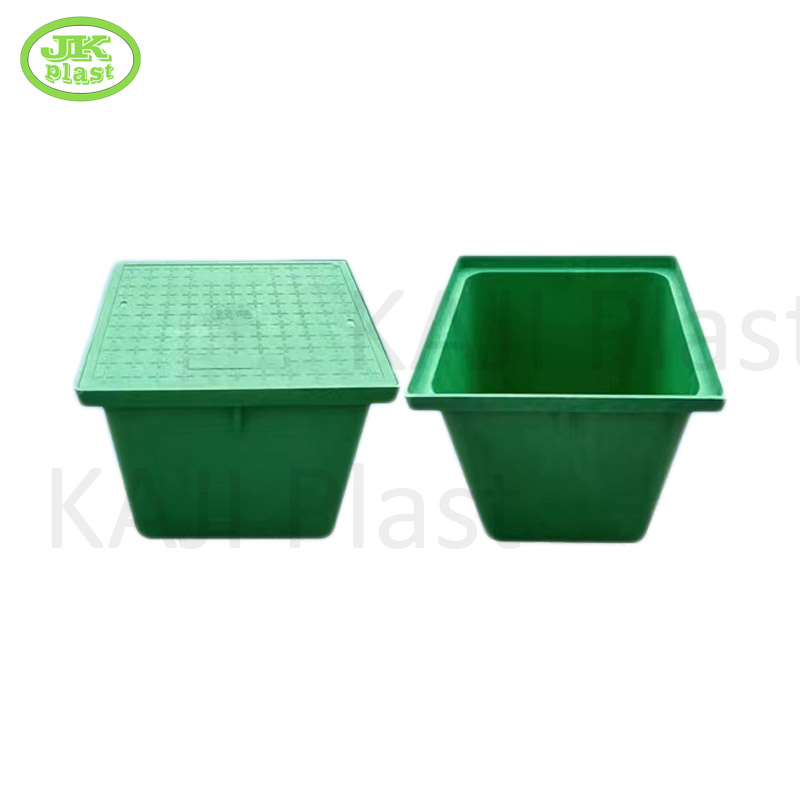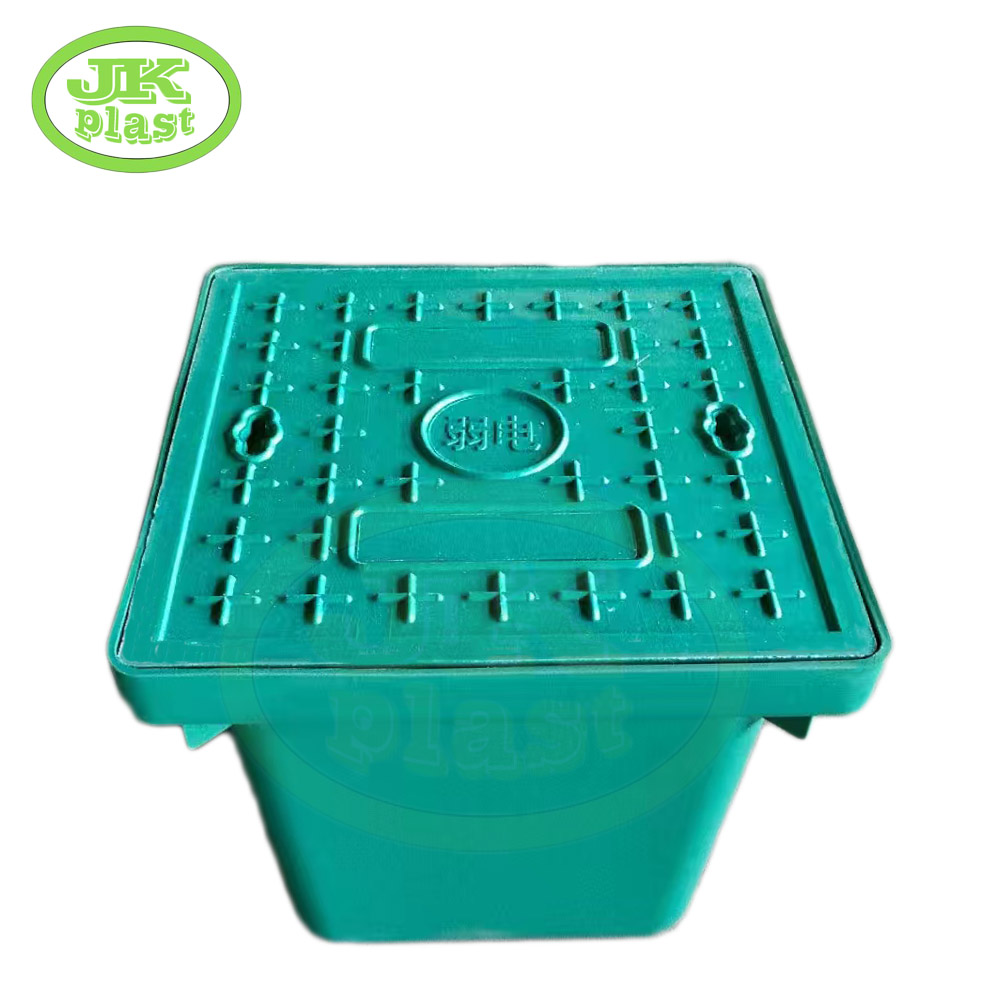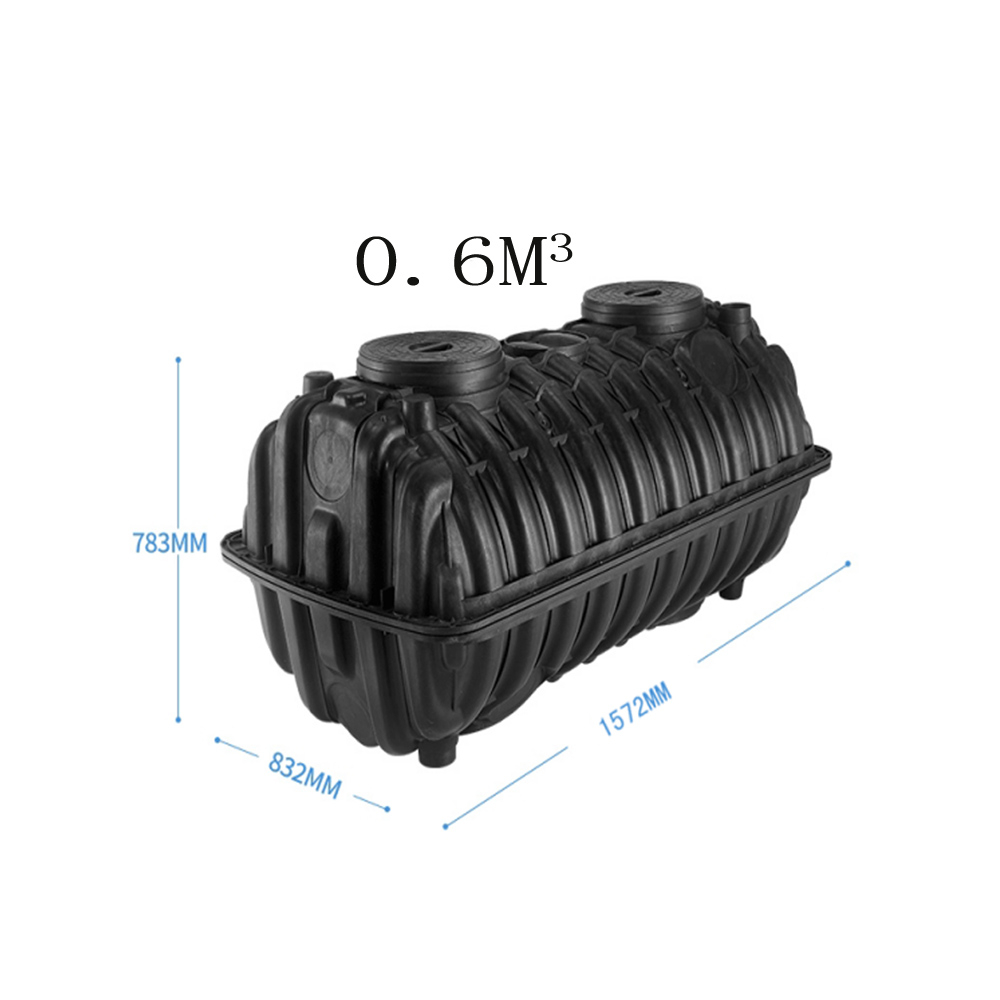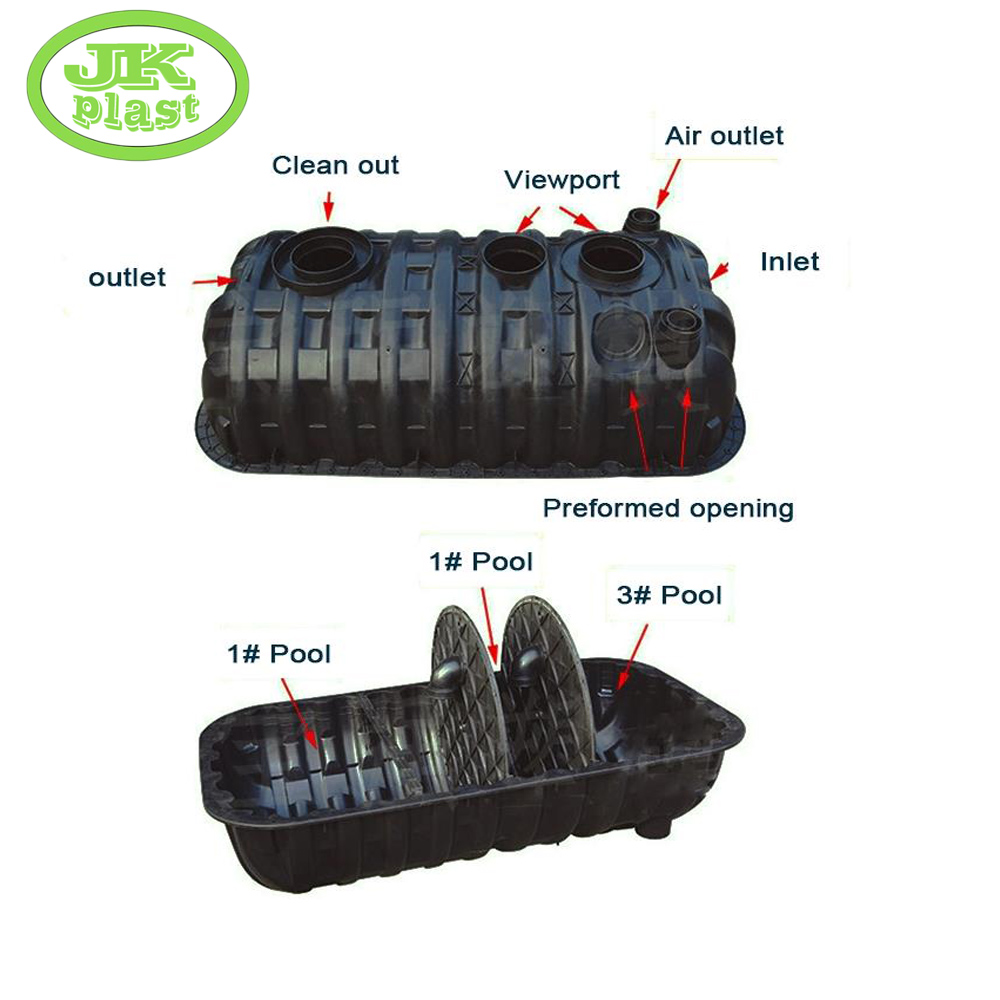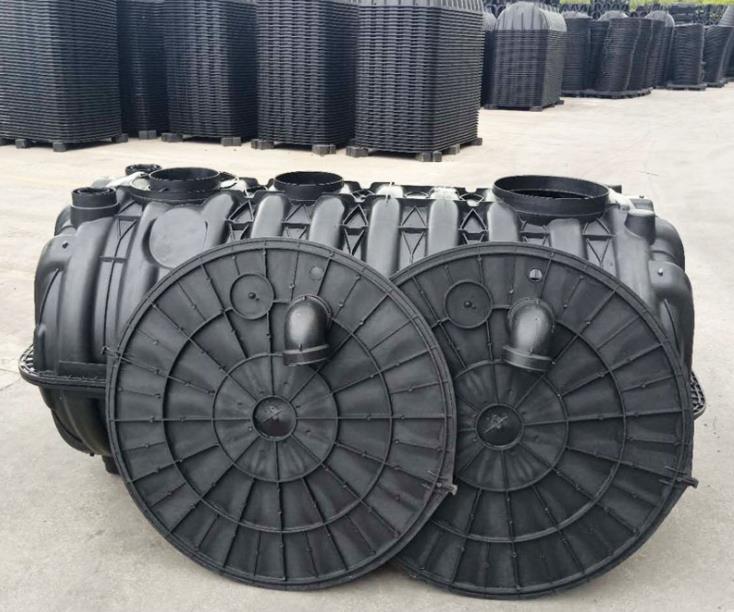
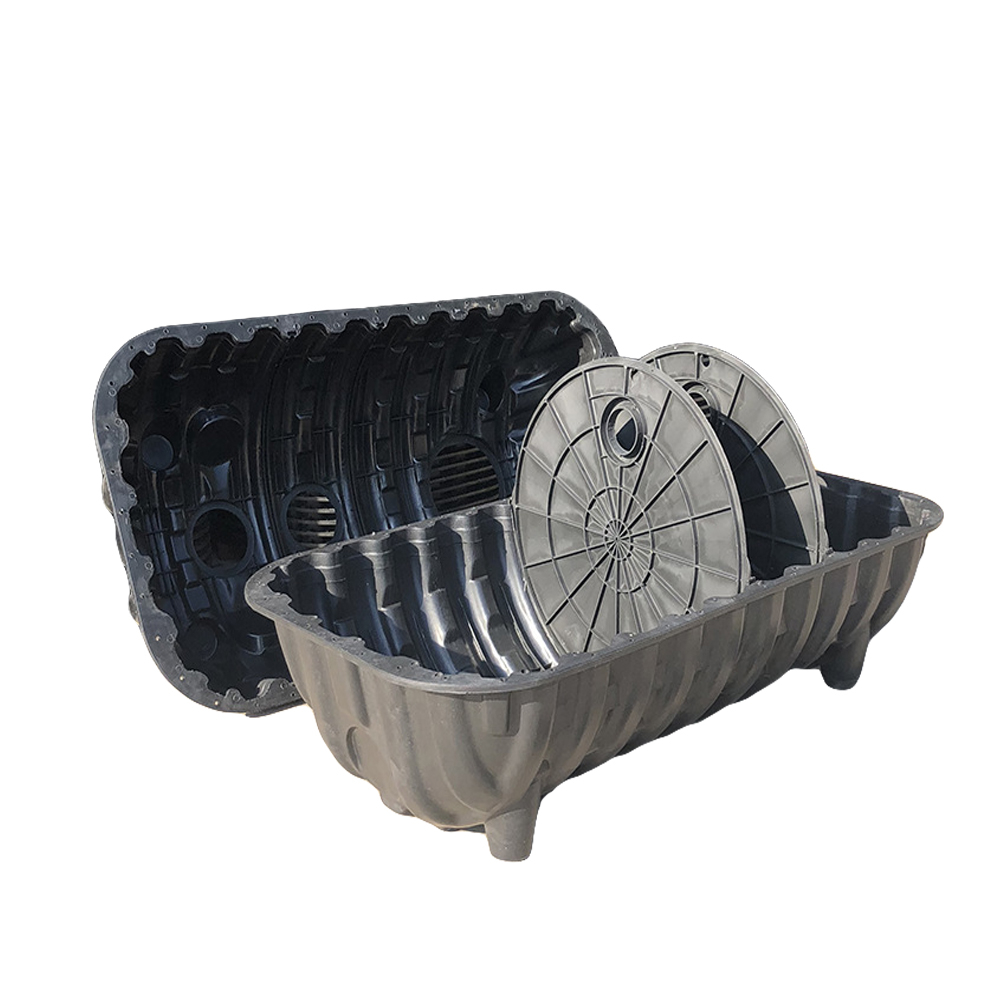
Maintaining a plastic septic tank is essential for ensuring its proper function and longevity. Here’s a general maintenance guide:
1. Regular Inspections: Conduct visual inspections of the septic tank and its components at least once a year. Look for signs of damage, leaks, or corrosion. Pay attention to the tank’s inlet and outlet pipes, access lids, and baffles.
2. Pumping: Schedule regular pumping of the septic tank every 3 to 5 years, or as recommended by a professional. Pumping removes accumulated sludge and scum layers, preventing them from clogging the system and causing backups.
3. Water Conservation: Practice water conservation habits to reduce the load on the septic system. Fix leaks promptly, install water-efficient fixtures, and avoid excessive water usage, such as long showers or running taps unnecessarily.
4. Proper Waste Disposal: Avoid flushing non-biodegradable items, grease, oil, chemicals, or excessive amounts of solids down the drains. These can clog the system and interfere with the wastewater treatment process.
5. Maintain Drainfield: Protect the drainfield by avoiding heavy vehicles or construction activities over the area. Keep trees and shrubs with deep roots away from the drainfield to prevent root intrusion.
6. Avoid Chemicals: Refrain from using chemical additives or cleaners that claim to improve septic system performance. These can disrupt the natural balance of bacteria in the tank and harm the system.
7. Protect Access Lids: Ensure that access lids are securely fastened and free from debris or obstructions. This allows for easy inspection and maintenance access when needed.
8. Professional Inspections: Periodically hire a qualified septic system professional to inspect the tank and perform maintenance tasks such as checking tank levels, inspecting components, and assessing overall system health.
9. Keep Records: Maintain detailed records of septic tank maintenance activities, including pumping schedules, inspections, repairs, and any issues encountered. This helps track the system’s history and facilitates future maintenance planning.
10. Emergency Preparedness: Familiarize yourself with the signs of septic system problems, such as foul odors, slow drains, or wet spots near the drainfield. Have a contingency plan in place for addressing emergencies, such as backups or system failures.
By following these maintenance guidelines, you can help ensure the efficient and trouble-free operation of your plastic septic tank for years to come.